Reading MA Commuting to Boston: What to Know
May 14, 2026
May 14, 2026
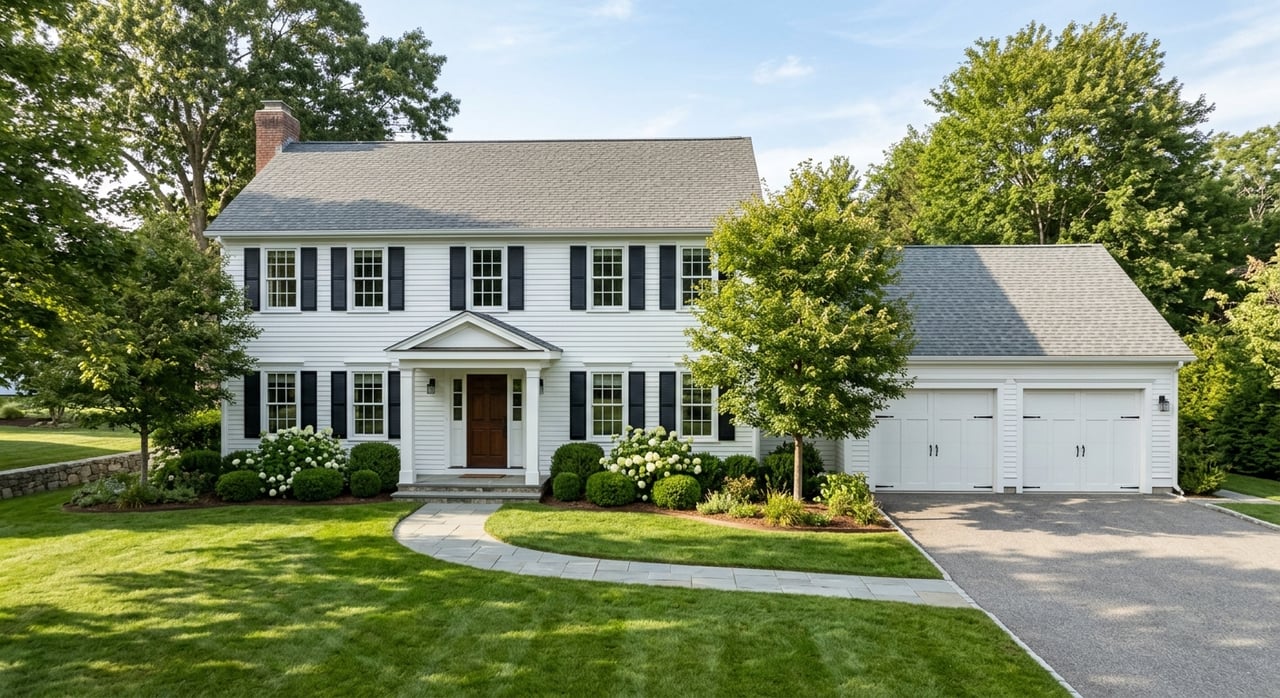
If you work in Boston but want a more suburban home base, Reading is a town worth a close look. You may be trying to balance commute options, everyday convenience, and the kind of neighborhood setting that feels easier to come home to at the end of the day. Reading offers a mix of rail access, major highway connections, a walkable downtown core, and a housing stock that is still largely single-family. Let’s dive in.
Reading sits about 12 miles north of Boston, which helps explain why it stays on the radar for buyers who need regular access to the city. The town is positioned between I-93 and I-95/Route 128, with four highway access points, so it supports both train commuting and driving.
That matters because most commuters do not use just one mode all the time. Some days you may take the train, other days you may drive, and sometimes you may need a backup plan that gets you into the city or connects you to another transit line.
The most important thing to know is that Reading is not a one-number commute town. The town describes downtown Boston as a short 25-minute train ride from Reading’s downtown, while Reading’s 2023 Housing Production Plan cites an average 34-minute trip from Reading Depot to North Station.
Both facts are useful, but they point to the same real-world takeaway: commute time varies. Your trip will depend on the train schedule, stop pattern, traffic conditions, and whether you are commuting by rail, car, or a mix of both.
Reading’s MBTA commuter rail station is downtown at 32 Lincoln Street. According to the town’s planning materials, there were 19 weekday inbound trains to North Station and 23 outbound trains to Reading, plus six trains each way on weekends and holidays.
For many buyers, that downtown station is the feature that makes Reading especially practical. If you live close to the center, you may be able to build a more predictable routine around the train and reduce how often you need to drive into Boston.
Reading also has Bus 137 from the Depot to Malden Center on the Orange Line. The town’s Housing Production Plan says that ride takes about 40 to 45 minutes.
That route may not replace the commuter rail for everyone, but it does add flexibility. If you like having another transit option in your back pocket, that can be a meaningful advantage.
Reading’s road access is part of the story too. Because the town sits between two major highway systems, it can work well for commuters whose jobs are not right in downtown Boston or whose schedules make driving the better fit on certain days.
This rail-plus-road setup is one of Reading’s strongest selling points. Instead of forcing you into one commuting pattern, the town gives you options.
For many buyers, the biggest surprise about Reading is that the train station is tied to a real downtown, not just a parking lot and platform. Town planning materials describe downtown Reading as a walkable mixed-use area meant to support shopping, arts and culture, and events.
The town also describes downtown as quaint and tree-lined, with independent retailers, restaurants, and personal and professional service businesses. Nearly all of downtown is contained within a half mile, which helps explain why it feels manageable for quick errands before or after work.
That walkable center can make your day-to-day life easier. If you grab coffee before the train, pick up takeout on the way home, or run a quick errand near the depot, the downtown setting supports that kind of routine.
The town has also invested in pocket parks, bistro tables, art-box murals, wayfinding, and streetscape improvements in the Depot Area. Those projects are aimed at walkability, accessibility, safety, and connectivity, which reinforces downtown’s role as both a transportation hub and an everyday gathering area.
Potentially, yes, especially if you buy near downtown and the depot. If your home is close to the station and daily errands are within reach of the town center, Reading may support a more car-light lifestyle than some other suburban towns.
That said, it is still important to think practically. Reading is a suburban market, and your experience will depend heavily on where in town you live and how often you need to leave the downtown area for work, shopping, or activities.
The town says the Reading Train Depot on High Street and Lincoln Street offers plentiful parking. Resident permit rules apply only from 6:00 to 9:30 a.m. on weekdays, and after 9:30 a.m. anyone can park at the depot.
Downtown visitor parking is regulated Monday through Friday from 8 a.m. to 5 p.m. Many on-street spaces are free for up to two hours, and municipal lots do not allow overnight parking.
For buyers, the key point is simple: parking is available, but it comes with rules. If your routine depends on station parking or downtown access, those details should be part of your home search planning.
Reading is still primarily a single-family market. State housing data shows that about 75.88% of housing units are single-family, which gives the town a distinctly suburban housing profile.
That can be appealing if you want more space, a traditional neighborhood setting, or a longer-term home base while staying within commuting reach of Boston. It also helps explain why Reading often attracts buyers who are moving beyond a more urban housing search.
Even though single-family homes dominate, Reading is not limited to detached houses. Town materials describe smaller pre-zoning buildings around downtown, including duplexes, triplexes, small apartment buildings, and mixed-use properties.
The town’s planning around the half-mile station area also points to an effort to increase and diversify housing options near commuter rail and already developed areas. For buyers, that means you may find smaller multifamily or downtown-adjacent options, even if they are not the majority of the market.
Reading is better understood as a higher-cost suburban market, not an entry-level commuter town. Census QuickFacts in the research report show an owner-occupied housing rate of 83.1%, a median owner-occupied home value of $741,100, a median monthly owner cost with a mortgage of $3,261, and a median gross rent of $1,722.
Those numbers help set expectations. If you are considering Reading, it makes sense to focus not only on the commute, but also on how much house, location, and walkability you want within your budget.
Reading can be a strong match if you want a suburban setting without giving up access to Boston. It may especially appeal to buyers who want a single-family home, value a real downtown near the station, and like having both train and highway options.
It can also be a smart town to compare if you are deciding between a more car-dependent suburb and a denser urban location. Reading often sits in the middle, offering a more residential feel while still supporting a connected routine.
Reading stands out because it gives you more than one way to make suburban commuting work. You get a downtown commuter rail station, access to major highways, a walkable center that supports daily routines, and a housing mix that is still rooted in single-family living.
If you are weighing Reading against other North Shore and near-Boston suburbs, the right question is not just, “How fast is the commute?” A better question is whether the town’s mix of home style, downtown convenience, and transportation flexibility fits the way you actually live.
If you want help comparing Reading with nearby communities or finding the right home for your commute and lifestyle, the Marjorie Youngren Team can help you make a clear, confident move.
Buyers and sellers can expect expert real estate advice from start to finish and after. Contact us to find out how we can be of assistance to you!
